ACCUs · Safeguard Mechanism · Carbon Farming · Circular Bio-Economy

A fuel supply that generates carbon credits as it grows.

The Pongamia plantation supplying PD100™ is simultaneously an active carbon sequestration project. This page explains how that dual structure works — and what it means for Safeguard Mechanism compliance and ACCU generation.
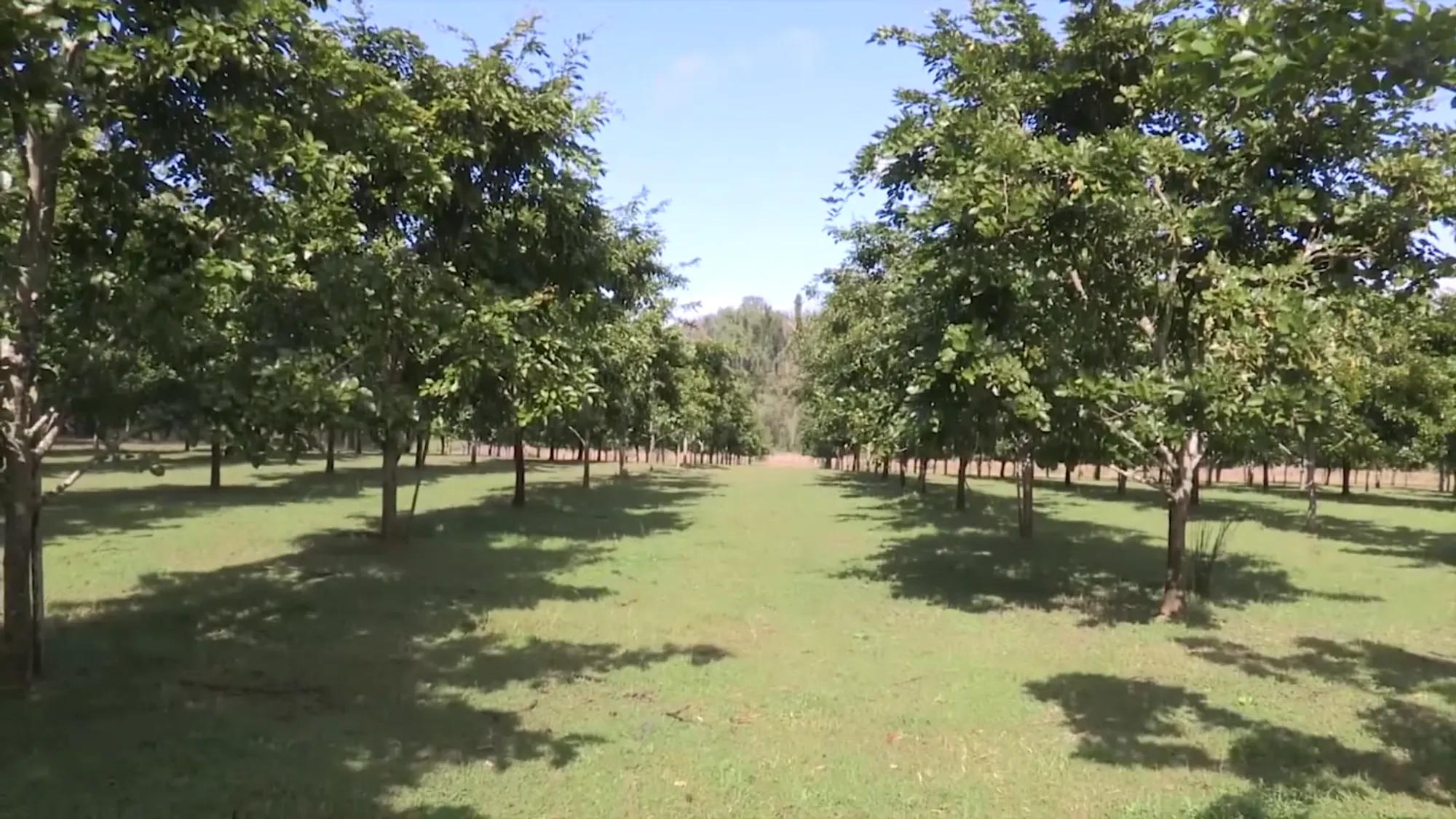
Young Pongamia plantation approaching first harvest

Two compliance problems — one supply chain.

Mining operations subject to the Safeguard Mechanism face two simultaneous financial pressures: Scope 1 emissions that exceed a declining baseline, and the cost of ACCUs needed to cover that excess.

PD100™ addresses both from a single supply chain. Fuel switching directly reduces Scope 1 fossil CO₂. The Pongamia plantation producing that fuel simultaneously generates ACCU sequestration credits — before full seed yields are even reached.

This structure is not available from any other biofuel currently on the Australian market. It is a function of Pongamia's biology — a long-lived tree crop that sequesters carbon throughout its 40+ year productive life.

What are ACCUs? Australian Carbon Credit Units — the standard unit of verified carbon abatement in Australia's domestic carbon market. One ACCU = one tonne CO₂-equivalent removed or avoided. Issued by the Clean Energy Regulator, eligible for surrender under the Safeguard Mechanism, and tradeable on the secondary market. Current indicative spot price: at current market ratesonne.

⛽ Fuel Switching

Substituting PD100™ for mineral diesel removes fossil CO₂ from Scope 1. Biogenic CO₂ reported separately under NGER — does not count against Safeguard baseline. ~2.65 kg CO₂ avoided per litre displaced.

+

One counterparty. One supply chain.

🌱 Plantation Sequestration

Growing Pongamia trees accumulate biomass and draw atmospheric CO₂ into long-lived carbon stores. ACCU sequestration credits generated from Year 1 — before full fuel yields begin. Dual revenue from the establishment phase.

Pongamia plantations as Carbon Farming Initiative projects.

Under Australia's Carbon Credits (CFI) Act, new tree plantings on eligible land generate ACCUs as trees grow and accumulate biomass.

📊 Indicative Sequestration Rates

Years 1–3 (establishment)~2–5 t CO₂/ha/yr
Years 4–7 (rapid growth)~8–15 t CO₂/ha/yr
Years 7–20 (mature production)~5–12 t CO₂/ha/yr
Lifetime average (indicative)~6–10 t CO₂/ha/yr

Indicative ranges from published literature and preliminary Australian field data. GBA's research programme is generating verified site-specific measurements.

💰 ACCU Revenue Projections (at at current market rates)

500 ha plantation~$122,500/yr
1,000 ha plantation~$245,000/yr
5,000 ha plantation~$1,225,000/yr
10,000 ha plantation~$2,450,000/yr

Based on conservative 7 t CO₂/ha/yr average. Sequestration revenue available from Year 1.

CER methodology status: ACCU generation from Pongamia plantations requires CER registration under an approved CFI methodology. GBA is developing the field measurement data required for methodology registration. Eligible categories include Environmental Plantings and potentially new integrated bioenergy methods. We will update this page as registration progresses.

How PD100™ affects NGER and Safeguard reporting.

Under NGER

The NGER framework distinguishes between fossil and biogenic CO₂. Biogenic CO₂ from combustion of plant oil fuels is reported separately and does not contribute to a facility's regulated fossil Scope 1 total.

When PD100™ substitutes mineral diesel: the fossil CO₂ associated with displaced diesel disappears from your Scope 1 fossil total. Net reported Scope 1 fossil CO₂ decreases proportionately.

GBA provides fuel origin documentation and supply chain traceability records consistent with NGER reporting requirements with each commercial supply consignment.

Under the Safeguard Mechanism

The Safeguard Mechanism baseline is assessed against net greenhouse gas emissions including fossil Scope 1 CO₂. Fuel switching reduces fossil CO₂, reducing the gap between actual emissions and baseline — directly reducing the need to purchase ACCUs.

ACCU sequestration credits from the Pongamia plantation are eligible for surrender under the Safeguard Mechanism, subject to CER methodology registration.

The specific pathway for using Pongamia sequestration ACCUs against Safeguard obligations is subject to CER methodology registration, currently in progress.

What makes a carbon project credible — and how Pongamia measures up.

✅ Additionality

Pongamia plantations are established on marginal land with no pre-existing forestry. Sequestration would not occur without the project.

📅 Permanence

GBA commits to 100-year permanence registration where eligible. Project land is not available for felling or conversion. Long-lived tree crop aligned with requirements.

📏 Measurability

University field measurement programme generates verified sequestration data. Independent audit at defined intervals. We measure actual biomass accumulation, not solely modelled estimates.

🌿 Co-benefits

Nitrogen fixation, soil health improvement, habitat on degraded land, employment opportunities for regional and Indigenous communities.

Model your carbon position.

Whether you're managing Safeguard compliance or evaluating the ACCU market, we can model the carbon and commercial outcomes for your context.

Request Carbon Modelling Mining Applications