Scope 1 Abatement · Safeguard Mechanism · CI Engine Fleets

PD100™ as a Scope 1 abatement pathway for mining operations.

The regulatory context, fuel economics, trial process, and carbon accounting relevant to mining operators evaluating PD100™ as a Safeguard Mechanism compliance option.

Safeguard Mechanism — 2026 Context
4.9%
Annual baseline reduction rate for covered facilities
Facilities covered215+
Emission threshold100,000 t CO₂-e/yr
ACCU spot price (indicative)~$35/t
PD100™ lifecycle carbonNear zero (biogenic)
Fleet modification requiredPre-heating for CRDI
Target commercial priceComparable to diesel

Already growing on coal mine waste. Without irrigation.

These photographs show 10-year-old Pongamia trees growing on non-irrigated Queensland coal mine waste stockpiles — actively producing seed pods and fixing soil nitrogen. No supplementary water. No fertiliser. This is the resilience case made visible.
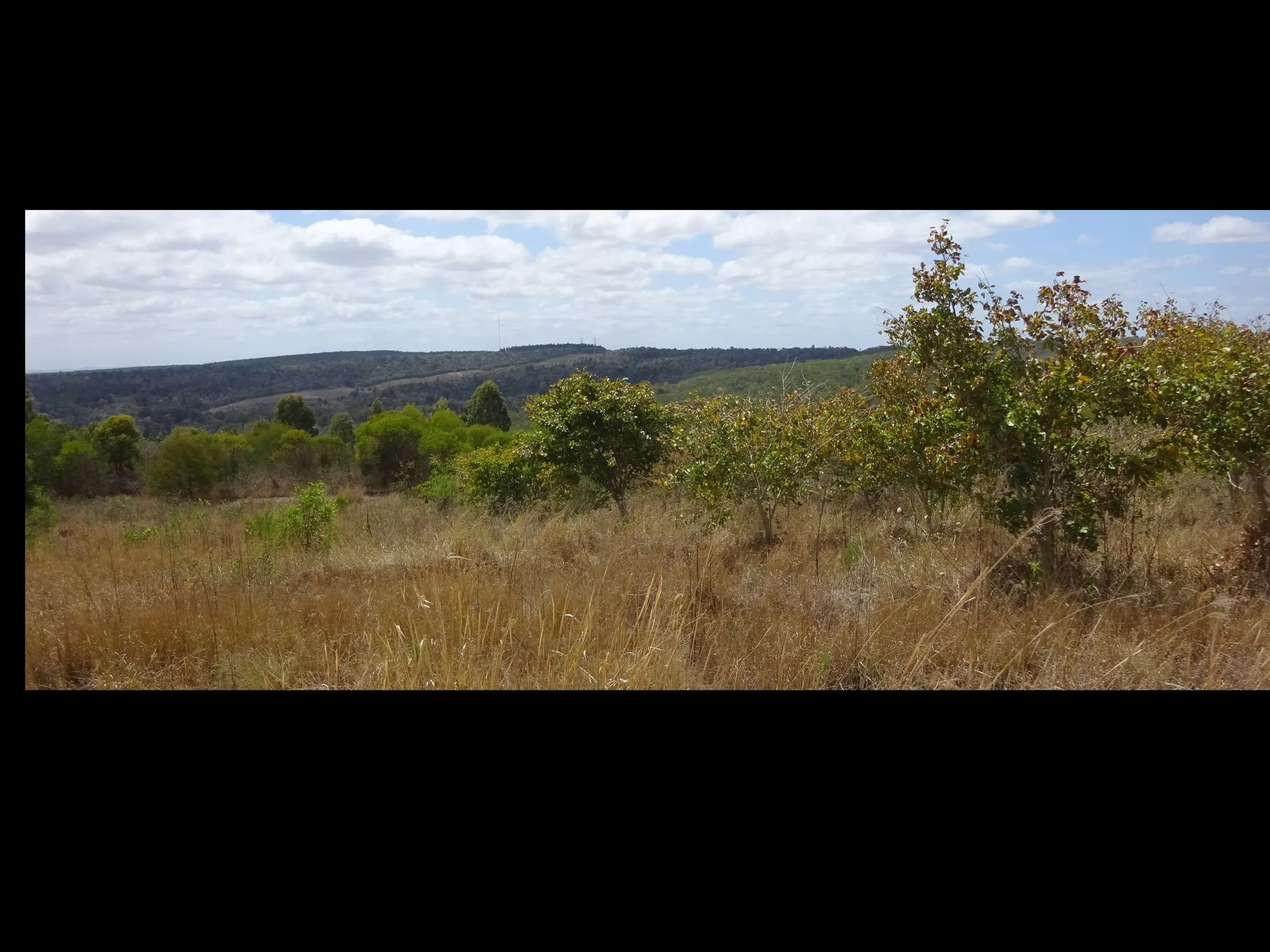
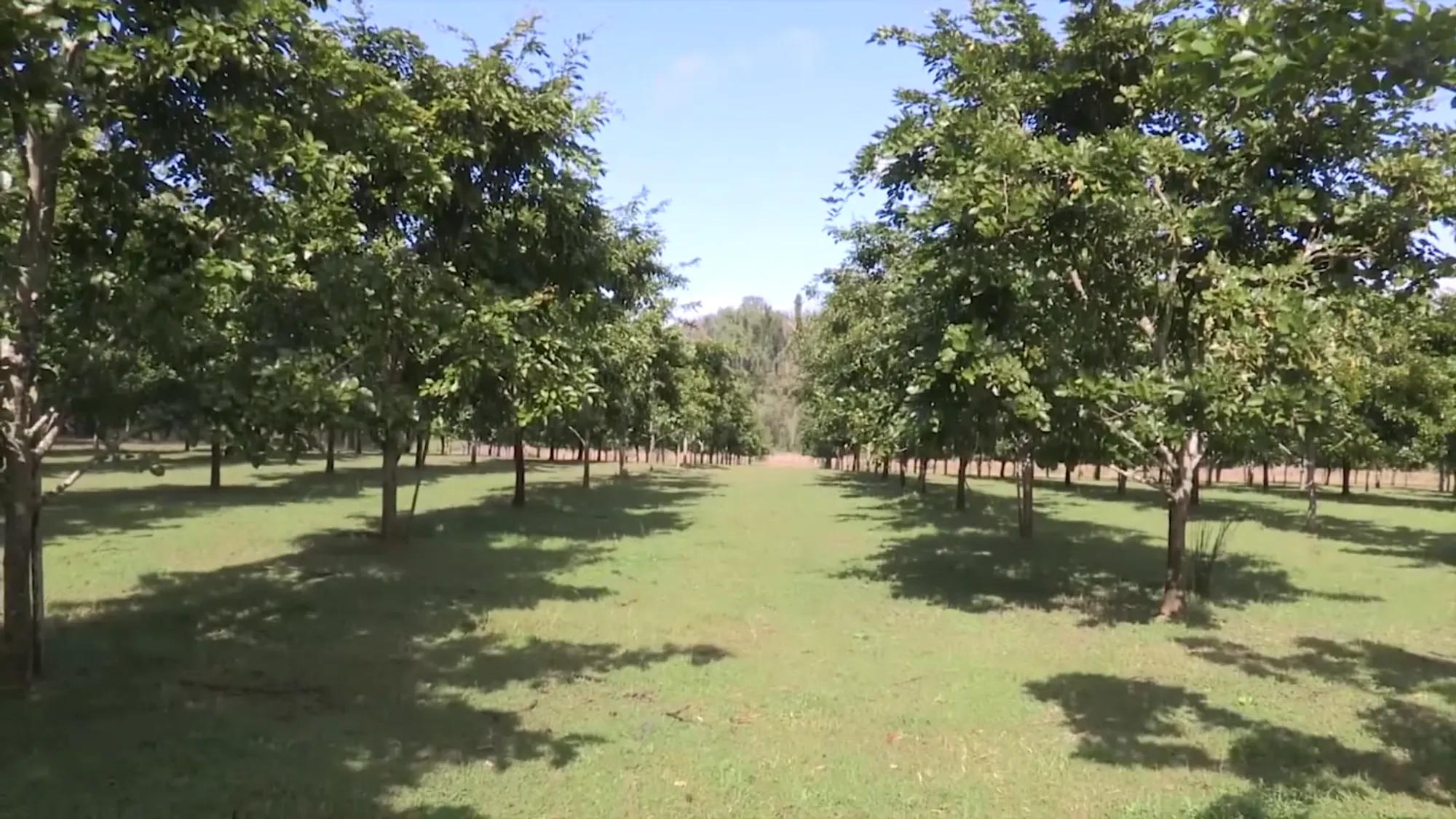
10-year-old Pongamia trees growing on non-irrigated Queensland coal mine waste area

10-year-old Pongamia, Queensland — growing on coal mine waste land without irrigation. Trees are producing seed pods and actively restoring soil through nitrogen fixation.

Mature Pongamia plantation — the scale GBA targets on former mine land

Mature Pongamia plantation — the commercial-scale model. Mine rehabilitation transitions degraded land directly into productive fuel-producing tree crops, generating ACCUs alongside fuel revenue.

10 yrs
Growth documented on mine waste — no irrigation
Active
Seed production confirmed on rehabilitated stockpile sites
N-fixing
Root system restoring soil nitrogen — visibly improving surrounding grass growth
How the available options compare for Australian mining operations.

Each alternative to mineral diesel carries a distinct constraint profile. Understanding these is necessary context for evaluating where PD100™ fits.

Battery-Electric Haul

Prototype demonstrations underway but commercial availability at 300+ tonne payload class remains years away. Charging infrastructure at large open-cut sites is a significant capital requirement.

Available: Medium Term
💧

Hydrogen

Requires on-site production or supply chain infrastructure not present at remote Australian mine sites. Performance at large payload class unproven at scale.

Available: Long Term
🌍

HVO / Renewable Diesel (Imported)

Genuine molecular drop-in — no engine modification. However, current market pricing is approximately $0.50/L above mineral diesel, predominantly imported (Netherlands, Singapore), and subject to feedstock sustainability scrutiny.

~$0.50/L Premium Over Diesel
⚗️

FAME Biodiesel

Limited domestic production availability. Typically priced above mineral diesel when available. OEM warranty capped at B20 in most standard systems. Cold-flow and oxidative stability issues at higher concentrations. Requires fossil methanol as a production input.

Limited Availability · Higher Cost
🇦🇺

PD100™ — the domestic pure plant oil pathway

PD100™ requires viscosity management (pre-heating for CRDI engines) but is not a molecular drop-in. The key distinguishing factors are: target commercial price comparable to mineral diesel — not a ~$0.50/L premium; entirely domestic supply chain; and a carbon credit co-benefit from the same plantation supply chain not available from any other option listed above.

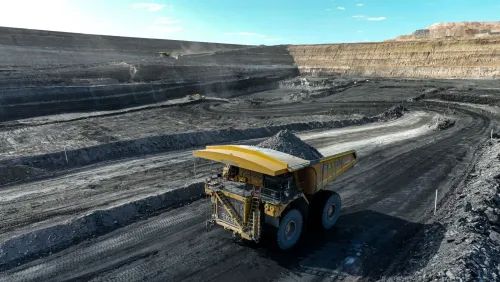
Coal mining operations haul fleet

What the Safeguard Mechanism means for diesel-dependent operations.

Facilities covered by the Safeguard Mechanism must hold net greenhouse gas emissions at or below a facility baseline declining at 4.9% per year. For large open-cut mining operations, diesel combustion in haul fleets is typically the single largest source of Scope 1 emissions.

A fleet of 40 large haul trucks operating 24/7 can consume 50–80 million litres of diesel annually. At 2.65 kg CO₂/L, that represents 130,000–210,000 tonnes of direct Scope 1 emissions from fuel alone.

Operations that exceed their baseline must surrender ACCUs or Safeguard Mechanism Credits to cover the shortfall — at market prices around $35/tonne. This is an ongoing cash cost that grows as the baseline declines. Fuel switching directly reduces this liability.

Why timing matters: Pongamia plantation development takes 4–7 years from planting to full fuel yield. Operations that begin supply chain discussions now are positioned to have fuel available when baseline pressure peaks in 2027–2030.

How GBA works with mining operations — from assessment to supply.

A structured four-step programme designed to minimise operational disruption and generate independent performance data at each stage before scaling.

01
Fleet Assessment

Technical assessment of engine types, injection systems, and fuel handling infrastructure to define the modification pathway.

  • Engine type mapping (CRDI vs IDI)
  • Pre-heat system scoping
  • Seal material and filter review
  • Bulk storage infrastructure check
02
Carbon & Cost Modelling

Site-specific model using your actual fuel consumption data, Safeguard baseline, and current ACCU pricing.

  • Scope 1 CO₂ reduction projection
  • ACCU purchase cost avoidance
  • Fuel cost comparison at target price
  • Sequestration credit projections
03
Engine Trial

3–6 month structured trial with independent monitoring and post-trial report for scale-up decision.

  • Sub-fleet trial with pre-heat fitted
  • Pre-trial baseline data collection
  • Independent fuel quality monitoring
  • Injector condition assessment
04
Commercial Supply

Supply agreement scaled to volume requirements, aligned to plantation development milestones and budget cycle.

  • GO Scheme traceability documentation
  • NGER reporting data supplied
  • Fuel quality certificates per batch
  • Ongoing trial monitoring option

Engine trials are underway — commercial supply is the next phase.

PD100™ is currently in engine trial phase. Contact us to discuss fleet assessment and early supply engagement.

Fuel switching and sequestration credits — from the same supply chain.

No other fuel pathway currently available in Australia combines direct Scope 1 reduction with sequestration ACCU generation from the same asset.

⛽ Fuel Switching

Substituting PD100™ for mineral diesel removes fossil CO₂ from your NGER Scope 1 fossil total. Biogenic CO₂ reported separately — does not contribute to your Safeguard baseline. Every litre of PD100™ burned displaces approximately 2.65 kg of fossil Scope 1 CO₂.

+

One counterparty. One supply chain.

🌱 Sequestration Credits

The Pongamia plantation supplying PD100™ simultaneously draws atmospheric CO₂ into biomass and generates ACCU sequestration credits. These can be surrendered against Safeguard obligations, sold on the secondary market, or retained for voluntary net zero positions.

Questions from fleet engineers and sustainability teams.

Does PD100™ require new engines?
No. PD100™ is designed for use in existing compression ignition engines. CRDI engines require a pre-heating system — a fuel line heat exchanger raising PD100™ to 70–80°C before the injection pump. IDI engines can run PD100™ without pre-heating. No engine replacement is required.
What does the pre-heating system involve?
A heat exchanger fitted to the fuel return or cooling circuit, raising PD100™ to 70–80°C before the injection pump. At this temperature, kinematic viscosity drops to approximately 8–12 cSt — approaching diesel levels. Commercial pre-heater kits exist for several common haul truck platforms. GBA supports pre-heater scoping and installation as part of the trial setup process.
How is CO₂ reduction verified for NGER and Safeguard reporting?
Biogenic CO₂ from PD100™ combustion is reported separately from fossil Scope 1 emissions under NGER and does not contribute to your Safeguard baseline. GBA provides fuel origin documentation and supply chain traceability records consistent with NGER reporting requirements with every commercial supply consignment.
What is the expected fuel consumption difference vs. diesel?
PD100™ has a lower heating value (~37 MJ/kg vs. diesel's ~43 MJ/kg — approximately 14% lower per unit mass). In practice this means approximately 5–10% higher fuel consumption by volume per operating hour at equivalent load. At the target price comparable to mineral diesel, the economic impact of this higher consumption is the primary cost consideration rather than a price premium.
When will commercial-scale supply be available?
Trial volumes are available now. Commercial-scale supply at mining-relevant volumes is tied to plantation development timelines — full seed yields begin at Year 7–10 after planting. Operations beginning discussions in 2026 are positioned to have meaningful fuel volumes available as Safeguard baseline pressure peaks in 2027–2030.

Run the numbers for your operation.

Bring your annual fuel consumption data and current Safeguard baseline. We'll provide a site-specific carbon and cost model — no obligation.

Request a Modelling Session Technical Reference