Pure Plant Oil · DIN 51605 Reference Standard · Australian Produced

PD100™ — technical properties and engine compatibility.

Technical data for evaluating PD100™ as a fuel for compression ignition engines — DIN 51605 compliance, viscosity characteristics, and the engineering countermeasures available to fleet operators.
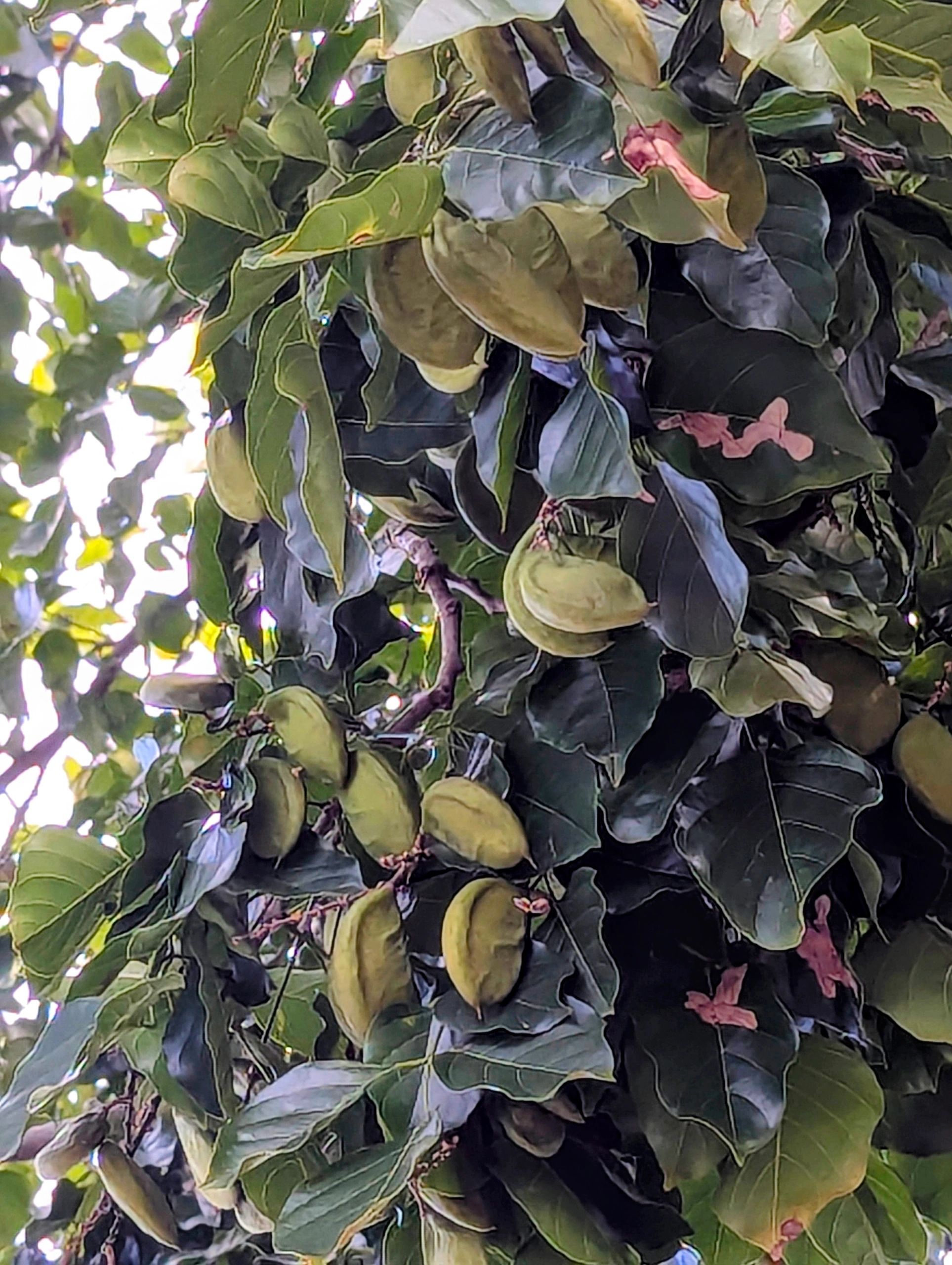
Pongamia seed pods

Pure plant oil — not biodiesel. The distinction matters.

PD100™ is a pure plant oil (PPO) produced from the seed pods of Pongamia pinnata. The oil is mechanically extracted, filtered, and acid-degummed to fuel specification. It is not transesterified.

Biodiesel (FAME) requires reacting vegetable oil with methanol under heat and catalyst — capital infrastructure, ongoing fossil-derived methanol as an input. PD100™ bypasses this entirely, resulting in lower production costs, no fossil carbon in the processing chain, and a target commercial price comparable to mineral diesel.

The key trade-off is viscosity. PD100™ has a higher kinematic viscosity at ambient temperature than mineral diesel or FAME. This is well-understood and manageable — see the countermeasures section below.

Pricing context: At commercial production scale, PD100™ is targeted to be priced comparably to mineral diesel. This contrasts with imported HVO/renewable diesel (~$0.50/L premium over diesel) and FAME biodiesel (limited domestic availability, typically more costly). The absence of a transesterification step and domestic feedstock are the key factors enabling this price target.

✅ PD100™ — Pure Plant Oil

  • No transesterification — direct extraction and light refining
  • No methanol input — no fossil carbon in processing
  • Target price comparable to mineral diesel at commercial scale
  • All carbon biogenic — extracted from atmosphere by the tree
  • Domestic supply chain — no offshore commodity exposure
  • Viscosity managed by pre-heating or engine selection

⚗️ FAME Biodiesel — Context

  • Transesterification requires capital reactor infrastructure
  • Fossil-derived methanol consumed in production
  • Limited domestic availability; typically more costly than diesel
  • OEM warranty typically capped at B20 in standard systems
  • Cold-flow, oxidative stability limitations at higher blends

Simple. Mechanical. Proven for centuries.

Producing PD100™ requires no chemical solvents and no transesterification reactor. The core process is a direct mechanical cold-press, followed by acid degumming to reach DIN 51605 fuel specification. The extraction plant is straightforward — the same category of equipment used in cooking oil and oilseed processing facilities worldwide.

PD100™ Production Process — Seed to Fuel
1
Seed cleaning & dehulling
Pods harvested, shelled, kernels dried to target moisture content
2
Mechanical expeller pressing
Rotating screw press forces oil out mechanically — no heat, no chemicals. Seedcake exits separately
3
Settling & filtration
Raw oil settles to remove fine solids, then passes through basic filtration
4
Acid degumming + neutralisation
Dilute phosphoric acid precipitates phospholipids; KOH neutralises. Wastewater rich in P + K is fed to the plantation via the irrigation system (fertigation).
♻ Closed-loop fertigation — zero waste
Acid degumming wastewater contains phosphorus (from phosphoric acid) and potassium (from KOH neutralisation) — exactly the macronutrients Pongamia trees need. This wastewater is fed back to the plantation via the fertigation system (fertiliser delivered through irrigation). No effluent, no waste treatment cost, no disposal — the degumming circuit replenishes the plantation it came from.
⛽ Fuel conditioning before supply
Standard diesel detergents and decoking additives are blended into PD100™ prior to delivery. These maintain injector cleanliness, prevent combustion chamber carbon deposits, and extend injector service life across all compatible CI engine types.

The mechanical expeller — unchanged for 150 years

A mechanical screw press — or expeller — works exactly as it sounds. Cleaned seeds are fed into the press, a rotating screw increases pressure along the barrel, and oil is forced out through small gaps in the casing. The pressed seedcake exits the other end.

This is cold-press technology. No heat, no chemical solvents, no hexane. A rotating screw steadily increases pressure as seeds travel along the barrel, forcing oil through small gaps in the casing. The pressed seedcake — the solid protein-rich residue — exits separately and is used as cattle feed or organic fertiliser.

Following pressing, the oil is filtered and then acid-degummed — dilute phosphoric acid is added to hydrate and precipitate non-hydratable phospholipids, which are then separated. The oil is neutralised with potassium hydroxide (KOH) to bring it to the correct acid number. The process wastewater — now carrying phosphorus and potassium in plant-available form — is delivered back to the Pongamia plantation through the irrigation system as fertigation. The phosphorus and potassium taken from the soil to grow the seeds are effectively returned in the processing step. There is no effluent, no waste treatment plant, and no disposal cost. Before dispatch, standard diesel-grade detergent and decoking additive packages are blended in to protect engine components during operation.

Key advantages of mechanical pressing
  • No chemical solvents or hexane — mechanically clean process
  • Lower capital and operating cost than chemical refinery infrastructure
  • Modular — scalable from 1 tonne to 500 tonnes/day
  • Operable with semi-skilled labour; minimal maintenance
  • Seedcake by-product retains protein — usable as cattle feed or fertiliser
  • Self-powered option: expeller driven by PD100™ fuel engine
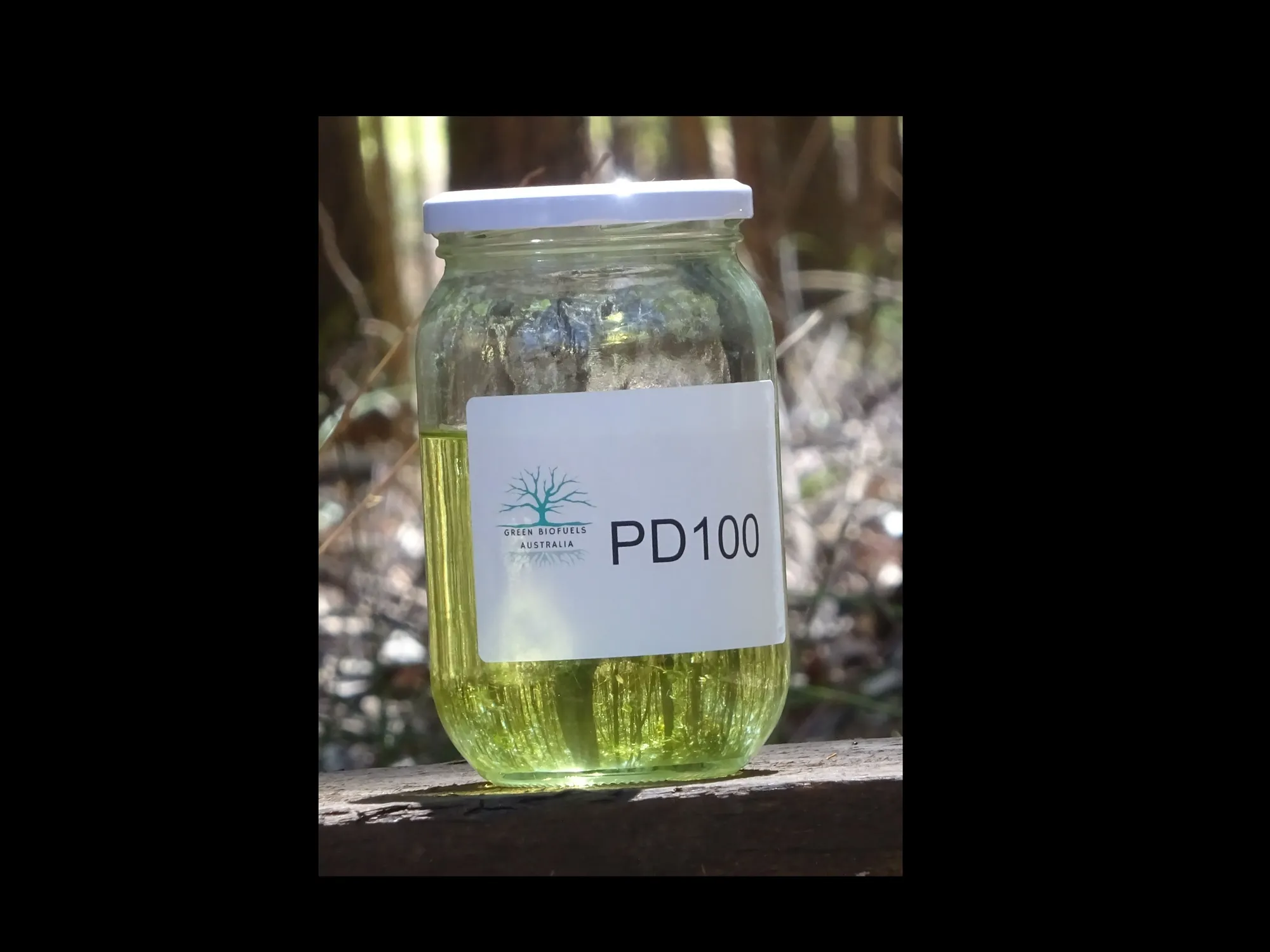
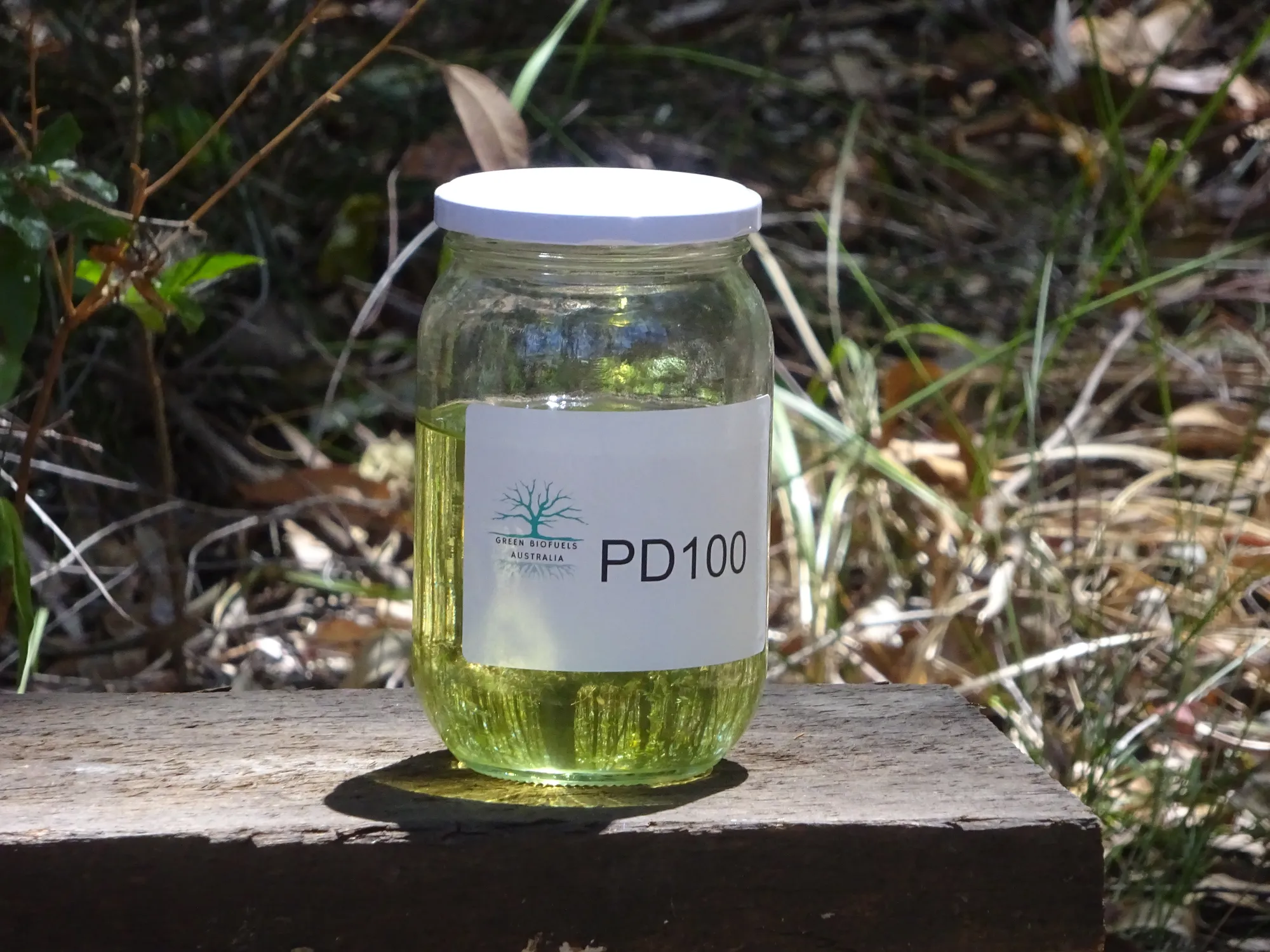
PD100™ — mechanically pressed Pongamia pure plant oil, ready for use as diesel substitute

PD100™ pure plant oil — the finished fuel product. Clear golden-green colour, produced entirely by mechanical cold-pressing with no chemical additives.

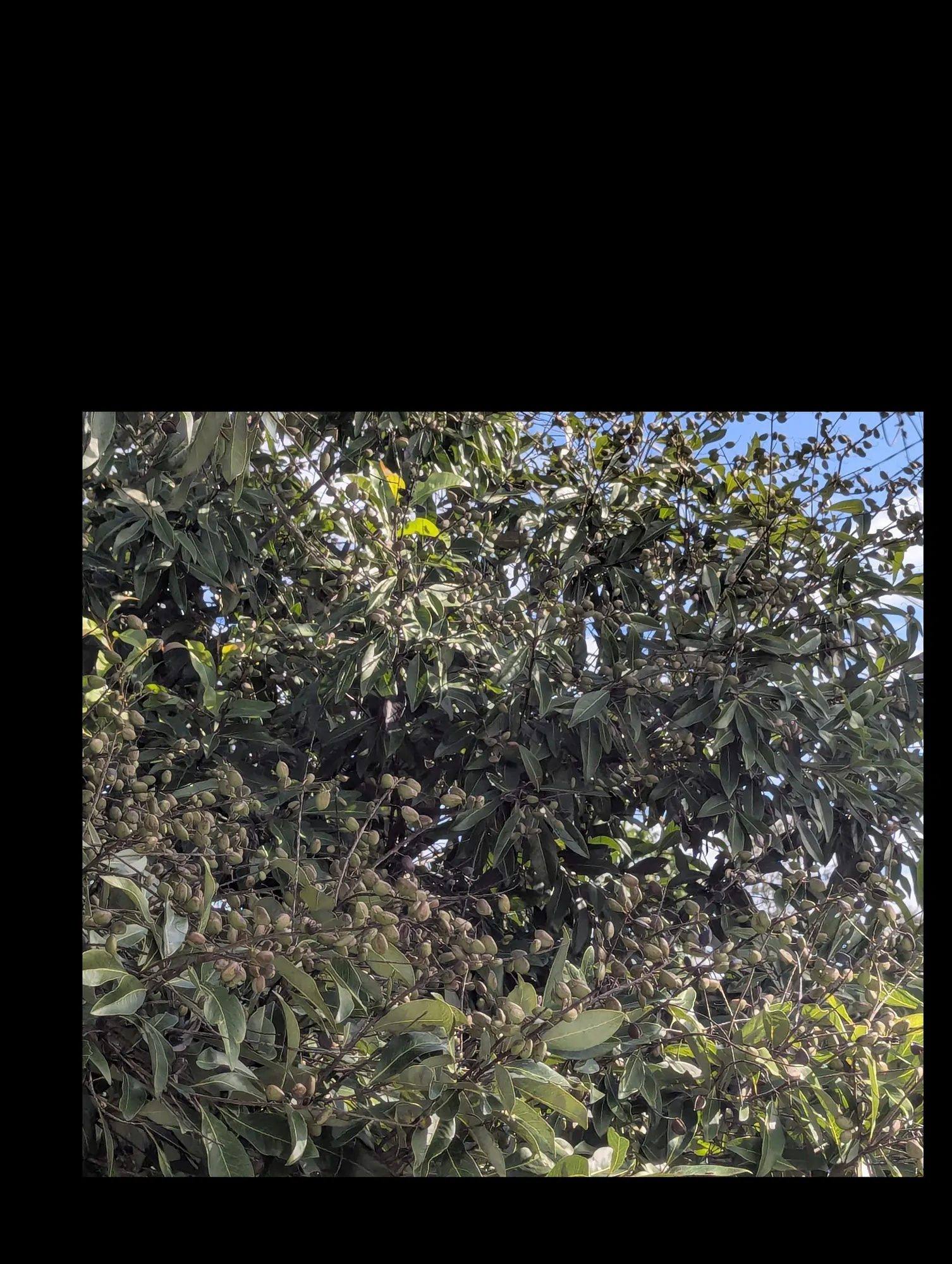
Pongamia seed pods — dense harvest-ready crop on mature tree

Feedstock: Pongamia seed pods — each pod contains 1–2 seeds with 30–40% oil content. At full maturity, a single tree yields 20–40 kg of seeds per season.

From tree to tank: 4 steps

1

Harvest & Clean

Seed pods are harvested, shelled, and cleaned to remove debris and husks. Kernels are dried to optimal moisture content before pressing.

2

Mechanical Expeller Press

Seeds feed into a screw press. Increasing mechanical pressure forces oil through the barrel casing. The same process produces every bottle of cooking oil on the supermarket shelf — no chemicals, no heat.

3

Settle & Filter

Raw pressed oil settles to remove fine solids, then passes through basic filtration. The oil is now clean but requires one further step to reach fuel specification.

4

Acid Degumming + Fertigation

Dilute phosphoric acid precipitates phospholipids; KOH neutralises the oil to spec. The P + K-rich wastewater is pumped back to the plantation via the fertigation system — replenishing what the trees gave up in seed production. Zero effluent. Zero waste.

4 steps — press, filter, acid degum, condition. No solvent extraction. No refinery. Degumming wastewater (P + K) returns to the plantation via fertigation. A fully closed nutrient loop — no waste products.

PD100™ close-up — the clarity and colour of mechanically pressed Pongamia pure plant oil

PD100™ as produced — the distinctive golden-green colour confirms minimal processing. Conventional biodiesel is colourless after transesterification and refining; PD100™ retains its natural phytochemical profile, requiring no chemical transformation to serve as fuel.

Fuel Conditioning — Standard Practice

Diesel detergents and decoking additives — included as standard

All PD100™ supplied for engine use is blended with standard diesel-grade detergent additive packages and decoking agents before delivery. These are the same additive chemistries used in premium mineral diesel and biodiesel formulations worldwide.

The additives serve two purposes: injector detergency — keeping fuel injector nozzles free of lacquer and deposit build-up; and combustion chamber decoking — preventing carbon accumulation on pistons, valves, and exhaust systems. For mining fleets operating in high duty-cycle conditions, maintaining injector geometry is critical to combustion efficiency and engine longevity. These additives are factored into the PD100™ formulation and supply price — no additional fleet modification is required.

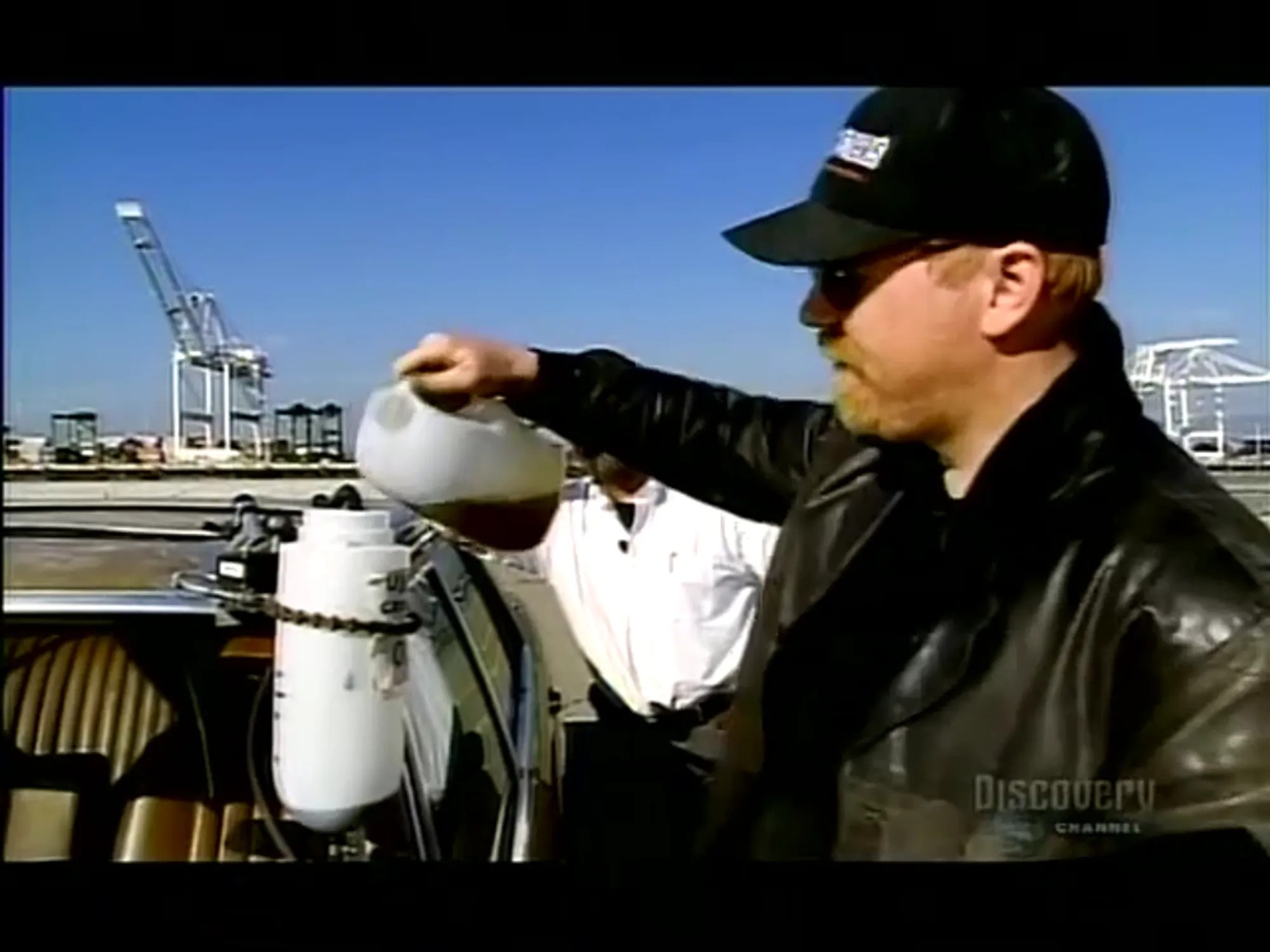
PPO in diesel engines — already demonstrated on television.

Rudolf Diesel designed his original engine in 1897 to run on peanut oil — a pure plant oil. The fossil fuel industry's dominance over the following century obscured this. Two television programmes independently rediscovered it.

PD100™ properties against DIN 51605 — the PPO fuel standard.

DIN 51605 is the German standard for pure plant oil fuels in vegetable-oil-compatible combustion engines — the primary international reference standard for PPO fuel quality. PD100™ is formulated to comply with or exceed these limits.

PropertyUnitDIN 51605 LimitPD100™ (Pongamia PPO)Test Method
Visual appearanceClear, free of sediment and unbound waterCompliant — clear filtered oilVisual
Density at 15°Ckg/m³900–930920–940ISO 3675 / 12185
Flash point (Pensky-Martens)°Cmin. 101>150°C ✓ Exceeds minimumEN 22719
Kinematic viscosity at 40°Cmm²/s (cSt)max. 36.030–36 (at DIN limit — countermeasures required)ISO 3104
Calorific value (LHV)kJ/kgmin. 36,000~37,000 ✓DIN 51900-1/-2/-3
Ignitability (cetane equivalent)min. 39~38–45 (within range)DIN 51605 §5.5
Iodine numberg I₂/100gmax. 125~90–105 ✓EN 14111
Sulphur contentmg/kgmax. 10<5 ✓ISO 20884 / 20846
Contamination / particulatesmg/kgmax. 24<20 after filtration ✓EN 12662
Acid numbermg KOH/gmax. 2.0<2.0 after acid degumming ✓EN 14104
Oxidation stability at 110°Choursmin. 6.0~8–12 h (high oleic profile) ✓EN 14112
Phosphorus contentmg/kgmax. 3.0 (from 2012)<3.0 after acid degumming ✓EN 14107
Calcium + Magnesiummg/kgmax. 1.0 each (from 2012)<2.0 combined ✓EN 14538 (ICP OES)
Water content% (m/m)max. 0.075<0.05 ✓ISO 12937
Viscosity note: Pongamia PPO sits at the upper limit of the DIN 51605 viscosity specification. This is the primary engineering consideration for fuel system design. The standard acknowledges viscosity management is addressed through engine adaptation. Mineral diesel reference: 2–4 cSt @ 40°C.
Fuel consumption vs mineral diesel: PD100™ has a lower calorific value by mass (~37 MJ/kg vs ~43 MJ/kg for mineral diesel — approximately 14% lower). However, Pongamia PPO is denser than mineral diesel (~920–940 kg/m³ vs ~820–845 kg/m³). Because fuel is dispensed and consumed volumetrically (litres), the higher density partially offsets the lower energy-per-kg figure. On a per-litre basis, PD100™ delivers approximately 34–35 MJ/L compared to ~35–36 MJ/L for mineral diesel — a difference of roughly 2–5% rather than the 14% implied by mass-based calorific values alone. In practice, fleet operators running PD100™ should expect a modest increase in fuel consumption by volume — typically in the range of 2–8% depending on engine type, load profile, and operating temperature — not the 15%+ sometimes assumed from mass-energy comparisons.
DIN 51605 scope: Originally developed for rapeseed oil — the closest applicable PPO standard. Pongamia oil differs in its long-chain saturated fatty acid content (behenic, lignoceric). GBA's research programme is developing Pongamia-specific compliance data. DIN V 51632 (for further plant oils) is the emerging supplementary standard.

Understanding and managing viscosity — the key engineering challenge.

Kinematic viscosity of ~30–36 cSt at 40°C is the central technical challenge of Pongamia PPO as a fuel. Mineral diesel operates at 2–4 cSt — roughly a tenfold difference. This affects atomisation quality, spray penetration, and combustion efficiency in high-pressure injection systems. It does not make PPO unsuitable; it requires engineering countermeasures that are well-established in both the literature and commercial practice.

Temperature–Viscosity Relationship — Pongamia PPO

20°C (cool ambient)
~50 cSt — requires heating
40°C (DIN 51605 reference)
~32 cSt — at DIN limit
60°C (mild pre-heat)
~18 cSt — improved
80°C (recommended pre-heat)
~10 cSt — near diesel
Mineral diesel @ 40°C (reference)
~3 cSt

Pre-heating to 70–80°C reduces kinematic viscosity by approximately 60–70%, enabling effective atomisation in CRDI injection systems.

🌡️

Fuel Pre-Heating

The primary countermeasure for common-rail (CRDI) engines. A heat exchanger on the fuel line raises PD100™ to 70–80°C before the injection pump, reducing kinematic viscosity to ~8–12 cSt.

Capital: moderate. Energy: recovered from engine cooling circuit. Applicable to most CRDI haul truck platforms.
⚙️

Engine Selection — IDI

Indirect injection (IDI) and pre-chamber CI engines operate at lower injection pressures with larger nozzle orifices. Intrinsically more tolerant of higher-viscosity fuels — can run PD100™ without pre-heating.

Relevant for stationary plant, older agricultural equipment, and some industrial CI applications. No modification required in many cases.
🔧

Injection Timing Optimisation

Advancing injection timing compensates for the longer ignition delay associated with higher-viscosity fuels. Improves combustion efficiency and can reduce NOx to within diesel baseline levels.

Typically implemented during engine commissioning on PPO. Combined with pre-heating for optimal performance at full load.
Cold climate note: In northern Queensland and NT operating conditions (typical ambient 25–35°C), pre-heating requirements are modest. For higher altitude or cooler southern locations, cold-flow properties (cloud point ~0–10°C depending on ecotype) require management. GBA's research programme includes cold-flow characterisation for Australian field conditions.

Fatty acid profile — the basis of fuel behaviour.

Pongamia oil's fuel properties derive directly from its fatty acid composition. The dominant profile — high oleic acid with moderate long-chain saturates — produces good oxidative stability with the viscosity characteristics described above.

Oleic acid (C18:1) Monounsaturated44–71%
Linoleic acid (C18:2) Polyunsaturated10–18%
Behenic acid (C22:0) Saturated4–8%
Palmitic acid (C16:0) Saturated3–8%
Stearic acid (C18:0) Saturated2–9%
Lignoceric acid (C24:0) Saturated1–5%

What the engine trial literature shows.

🌿

CO₂ — Lifecycle

Tailpipe CO₂ is biogenic. Net lifecycle near-zero. Reported separately under NGER — not counted against Scope 1 fossil total.

Near-Zero Net
🔥

NOx

At or modestly above diesel baseline. Injection timing optimisation and pre-heating reduce NOx to within diesel levels in most configurations.

Comparable to Diesel
💨

Particulate Matter

Generally reduced versus mineral diesel baseline due to higher oxygen content in PPO promoting more complete combustion.

Reduced vs. Diesel
📊

NGER / Safeguard

Biogenic CO₂ reported separately. Does not contribute to facility fossil CO₂ Safeguard baseline. Scope 1 fossil total decreases directly.

Scope 1 Reducing

CI engine compatibility — what is required for each configuration.

PD100™ is designed for compression ignition engines. The compatibility pathway differs by injection system type.

Common-Rail Direct Injection (CRDI)

Modern mining haul trucks — Cat 793/797, Komatsu 930E, Hitachi EH5000

High-pressure systems require fuel viscosity close to diesel specification. Pre-heating is the primary countermeasure. All PD100™ supplied for CRDI use includes standard diesel detergent and decoking additive packages to minimise injector coking — a recognised risk with any plant-based fuel in high-pressure injection systems.

  • 1
    Pre-heat system fitted — raises PD100™ to 70–80°C before injection pump
  • 2
    Detergent/decoking additives supplied blended — minimises injector coking under high duty cycles
  • 3
    Injection timing adjusted for PPO combustion characteristics
  • 4
    Fuel filter and seal material check before commissioning
  • 5
    Injector inspection protocol at first service interval — establish carbon baseline

Indirect Injection (IDI) / Pre-Chamber

Agricultural machinery, stationary plant, older industrial CI engines

Lower injection pressures, larger nozzle orifices. Significantly more tolerant of higher-viscosity fuels. Can operate on neat PD100™ without pre-heating.

  • 1
    Fuel filter and seal material verification before first fill
  • 2
    Injection timing optimisation for PPO characteristics
  • 3
    Standard filter change schedule — monitor more frequently during transition
  • 4
    Lubricating oil monitoring for fuel dilution in extended idle
OEM warranty: Manufacturer positions on PPO fuels vary. GBA engages directly with OEM technical representatives as part of the trial scoping process for each operator. We do not recommend fleet transition without clarity on OEM position for your specific engine generation.

Dangerous goods classification and storage.

PD100™'s high flash point results in a lower dangerous goods classification than mineral diesel.

🔥

Class C1 Combustible Liquid

Flash point >150°C. Class C1 under the Australian Dangerous Goods Code — lower hazard than mineral diesel (Class C2, flash point 60–80°C). Less stringent storage requirements on mine sites.

🛢️

Standard Infrastructure Compatible

Compatible with existing diesel tanks and road tanker delivery. Tank clean-out recommended before first fill. Pre-heat lines required for CRDI — installed between bulk storage and injection system.

⏱️

Storage Stability

Oxidation stability ~8–12 hours at 110°C (EN 14112) exceeds DIN 51605 minimum of 6 hours. Good for standard mine site resupply cycles. Extended storage (>6 months) in high temperatures warrants monitoring.

Entirely Australian — from seed to tank.

Full traceability from plantation to delivery supports Guarantee of Origin Scheme certification.

🌱

Plantation

Pongamia grown on QLD & NT marginal land

🌿

Harvest

Mechanical & manual seed pod harvesting

⚙️

Extraction

Mechanical expeller pressing — 25–35% oil yield

🔬

Refining

Degumming, filtration, DIN 51605 quality testing

🚛

Delivery

Road tanker to mine site bulk storage

Request the full technical specification

We provide a complete PD100™ Technical Data Sheet to verified industry enquirers. Contact our team to discuss engine compatibility for your specific fleet or request fuel samples for independent testing.

Request Technical Data Sheet Mining Applications